
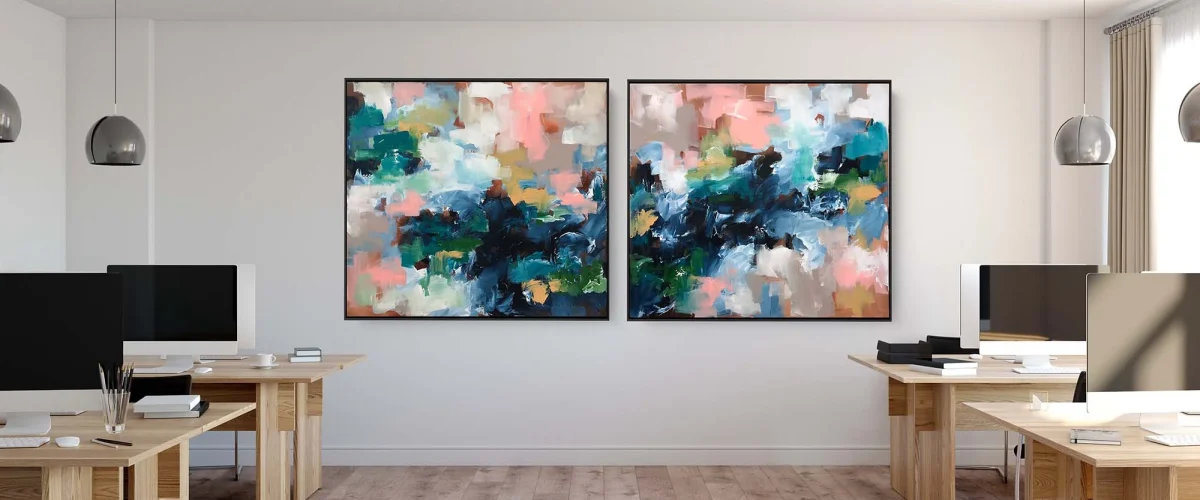
Corporate spaces today are no longer designed to be purely functional — they are curated environments that reflect brand identity, values, and ambition. Art plays a central role in this shift, transforming offices into places of inspiration rather than obligation. From reception walls to boardrooms and breakout spaces, thoughtfully chosen artworks set the emotional tone of a workplace while subtly reinforcing a company’s cultural ethos.
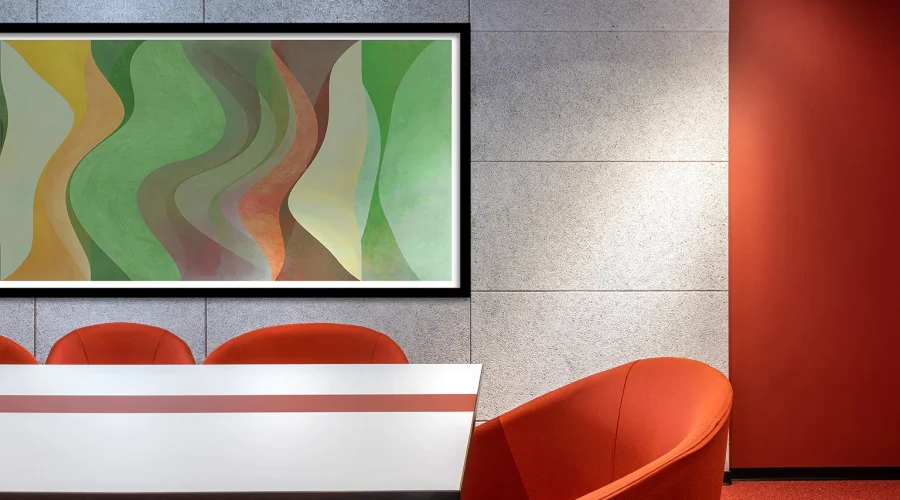
What is Corporate Style Art?
Corporate style art is less about spectacle and more about sensibility. Found in boardrooms, lobbies, and thoughtfully designed workspaces, it reflects a shift in how businesses choose to present themselves considered, cultured, and quietly confident. These works are selected not to dominate a room, but to shape its mood, offering a visual language that aligns seamlessly with a brand’s identity and modern way of working.The aesthetic is distinctly contemporary. Think abstract compositions with restrained colour palettes, soft geometrics, textural surfaces, and nature-led forms that feel both grounding and sophisticated. This is art designed to live well within clean architectural lines and curated interiors, adding depth without disruption. Universally resonant yet far from generic, corporate style art balances creativity with composure.
At its most refined, corporate style art becomes a form of visual storytelling. It signals intent, innovation without excess, creativity without chaos, luxury without ostentation. Chosen for longevity and adaptability, these works evolve with the space, offering a sense of permanence in ever-changing professional environments. In today’s offices, art is no longer an afterthought; it is a subtle marker of taste, values, and cultural awareness.
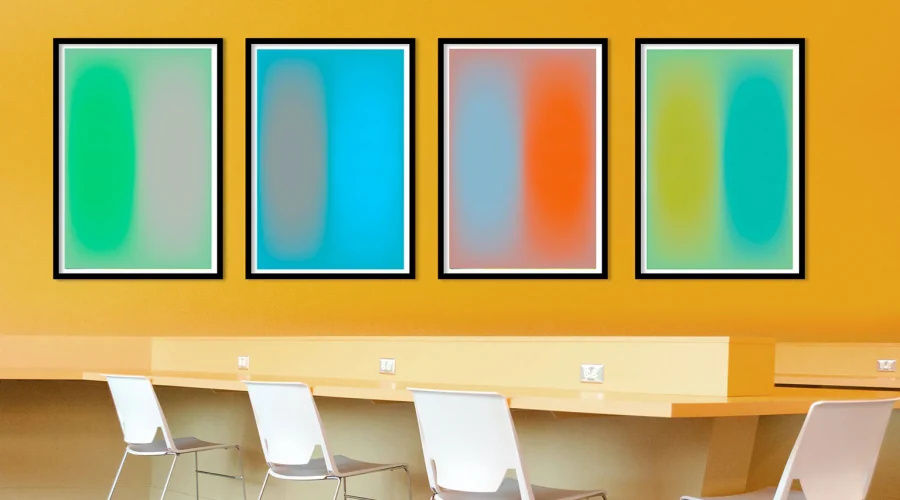
Popular Artists in Corporate Art Collections
Corporate art collections often feature artists whose work balances contemporary relevance with visual restraint. Abstract and modern contemporary artists are especially favoured, as their works integrate seamlessly into professional environments without overpowering the space. Corporates frequently invest in both established names for statement areas and emerging artists for collaborative and breakout zones.
In India, artists such as S.H. Raza, F.N. Souza, Ram Kumar, and Anjolie Ela Menon are commonly represented in legacy corporate collections, particularly within leadership spaces. Alongside these, contemporary artists like Subodh Gupta, Jitish Kallat, Shilpa Gupta, and emerging abstract practitioners are increasingly visible in modern offices that value cultural relevance and fresh perspectives.
Many organisations are also choosing to work directly with emerging artists and independent studios, commissioning site-specific works or acquiring limited editions. This approach allows corporates to build distinctive collections while supporting new talent, resulting in art that feels both intentional and aligned with evolving workplace aesthetics.
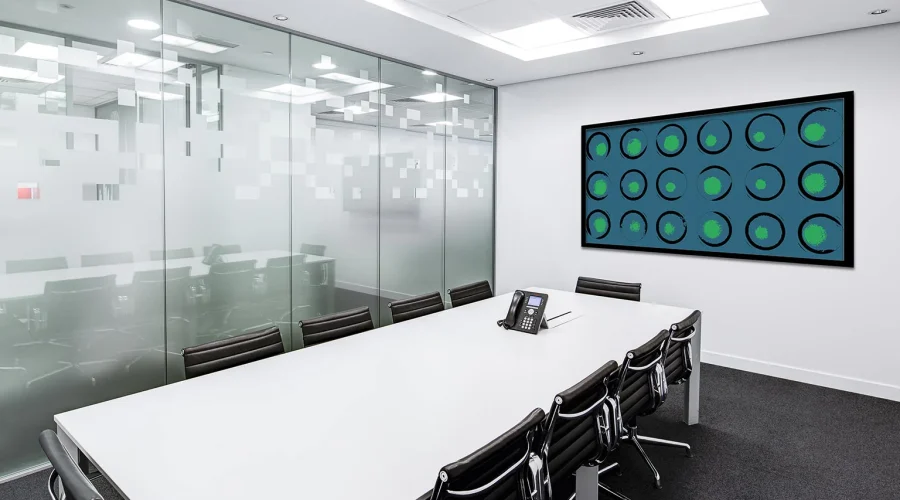
Price Range of Corporate Art
The price range of corporate art varies widely depending on scale, artist profile, medium, and placement within the workspace. For smaller works displayed in cabins, meeting rooms, or collaborative spaces, budgets typically range from ₹25,000 to ₹75,000 per artwork, allowing for thoughtful curation across multiple areas.
Mid-sized works and feature pieces for reception areas or executive offices generally fall between ₹75,000 and ₹3,00,000. These artworks are often created by well-established contemporary artists and are chosen for their ability to make a refined visual statement while maintaining longevity.
Large-format installations, commissioned works, or iconic pieces for corporate lobbies and flagship offices can range from ₹3,00,000 upwards, with some collections extending into several lakhs or more. For corporates, these investments are less about decoration and more about building a lasting visual identity that reflects ambition, taste, and cultural awareness.
Where Do Corporates Usually Buy Art?
Corporates traditionally source art from established galleries, especially when curating works for flagship offices, boardrooms, and leadership spaces. Galleries offer a sense of credibility and curatorial assurance, making them a preferred choice for organisations seeking art that feels considered, timeless, and aligned with professional environments.
Another widely used channel is art consultants and corporate art advisors, who work closely with architects, interior designers, and leadership teams. These specialists help translate brand values into visual language, often sourcing or commissioning artworks that complement spatial design while maintaining consistency across large office campuses and commercial projects.
Increasingly, corporates are turning to curated online art platforms and buying directly from artists. These modern routes offer flexibility, transparent pricing, and access to emerging and mid-career talent. Platforms such as The Bandra Store bring together thoughtfully curated collections and contemporary voices, making it easier for corporates to discover art that feels intentional, culturally engaged, and aligned with evolving workplace aesthetics.